
One wedge:
engineering geometry.
These are not six products or six verticals. They are the same extraction and the same reasoning tasks, applied to the files each of these teams already has. If your work is geometry, the API does not change shape.
Engineering files are not text. Flatten a drawing into a caption and the geometry — the B-rep solids, the dimensions, the tolerances, the constraints — is gone before the model ever reasons about it. So the answers come back plausible and unusable.
Rowe keeps the geometry. Your STEP, IGES, DXF, PDF, SVG, or draw.io file is parsed into a structured cad_scene — solids, faces, entities, dimensions, annotations — and the model reasons over that. You get typed JSON back: measurements, relationships, issues, and comparisons, each traceable to the geometry it came from.

Aerospace
Clearance checks on flight hardware, before the assembly floor finds them.
Read more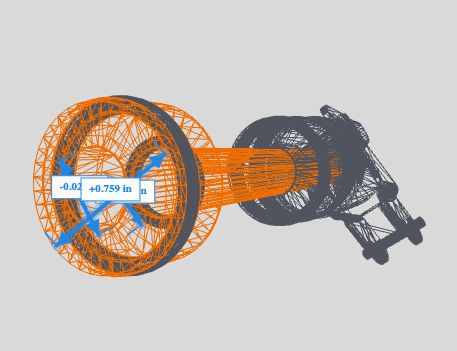
Automotive
Packaging and tolerance questions, answered from the CAD, not the caption.
Read more
Manufacturing
Every drawing on the floor, readable by software.
Read more
Robotics
Spatial grounding for agents that have to act in the physical world.
Read more
Construction & Infrastructure
Drawings, scans, and models reconciled as one geometry problem.
Read more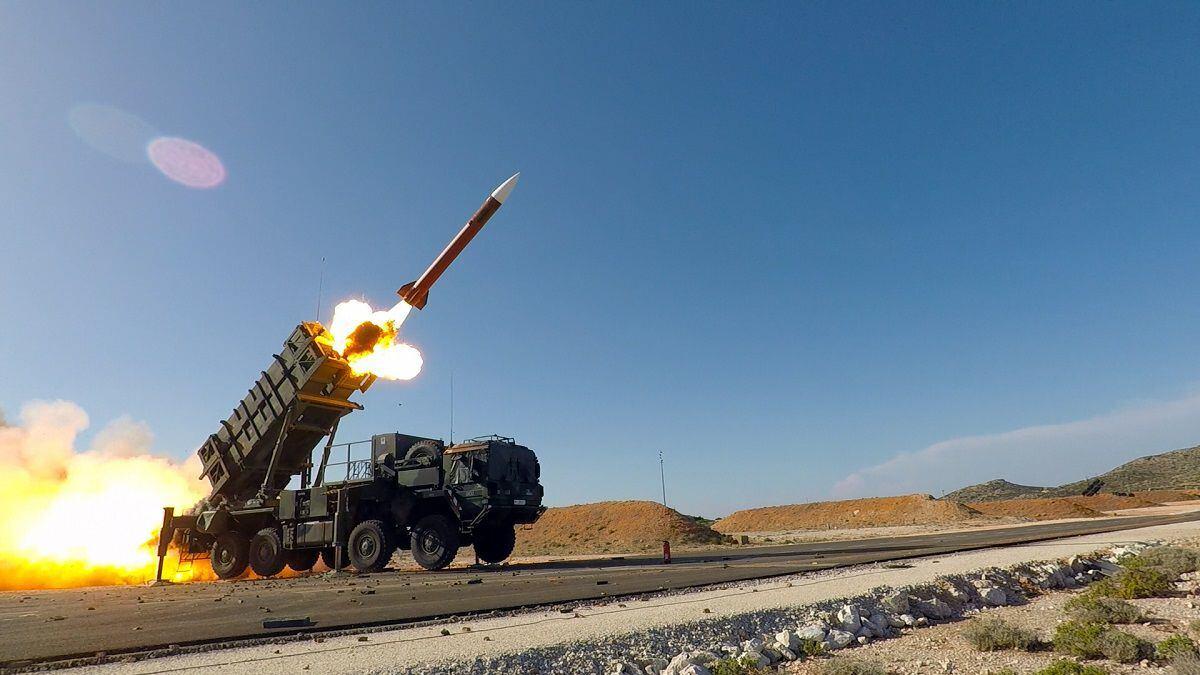
Defense
Engineering geometry for programs where the review cycle is the bottleneck.
Read moreNot on this list?
If your files are STEP, IGES, DXF, PDF, SVG, or point clouds, the API works the same way regardless of industry. Start with the quickstart, or send us a representative file and we will tell you honestly whether Rowe helps.